
Your Complete 2026 Guide to Getting Top Dollar Fast
Picture this: You’re standing in your driveway in Enfield, staring at the car that’s been your faithful companion for years. Maybe it’s time for an upgrade, or perhaps you just need the cash. Whatever your reason, you’re wondering, “How do I sell my car without the headache?” I’ve been there, and I know exactly how overwhelming it can feel. The good news? Selling your car in Connecticut in 2026 has never been easier, faster, or more profitable—if you know the right steps to take.
Whether you’re in Enfield, Windsor Locks, East Windsor, or any town within the Greater Hartford area, this comprehensive guide will walk you through everything you need to know to sell your car quickly and get the best possible price. No dealership games, no endless tire-kickers from classified ads, just straightforward advice from someone who understands the Connecticut market.
Key Takeaways
- Instant online valuations provide fair market value for your vehicle in minutes, with no obligation to accept
- Professional car buying services offer free pickup throughout Connecticut, eliminating transportation hassles
- Proper preparation including documentation, cleaning, and minor repairs can increase your sale price by 10-20%
- Connecticut-specific requirements include title transfer, emissions testing (in certain areas), and sales tax considerations
- Multiple selling options exist—from online buyers to private sales—each with distinct advantages for different situations
Understanding the Connecticut Car Market in 2026
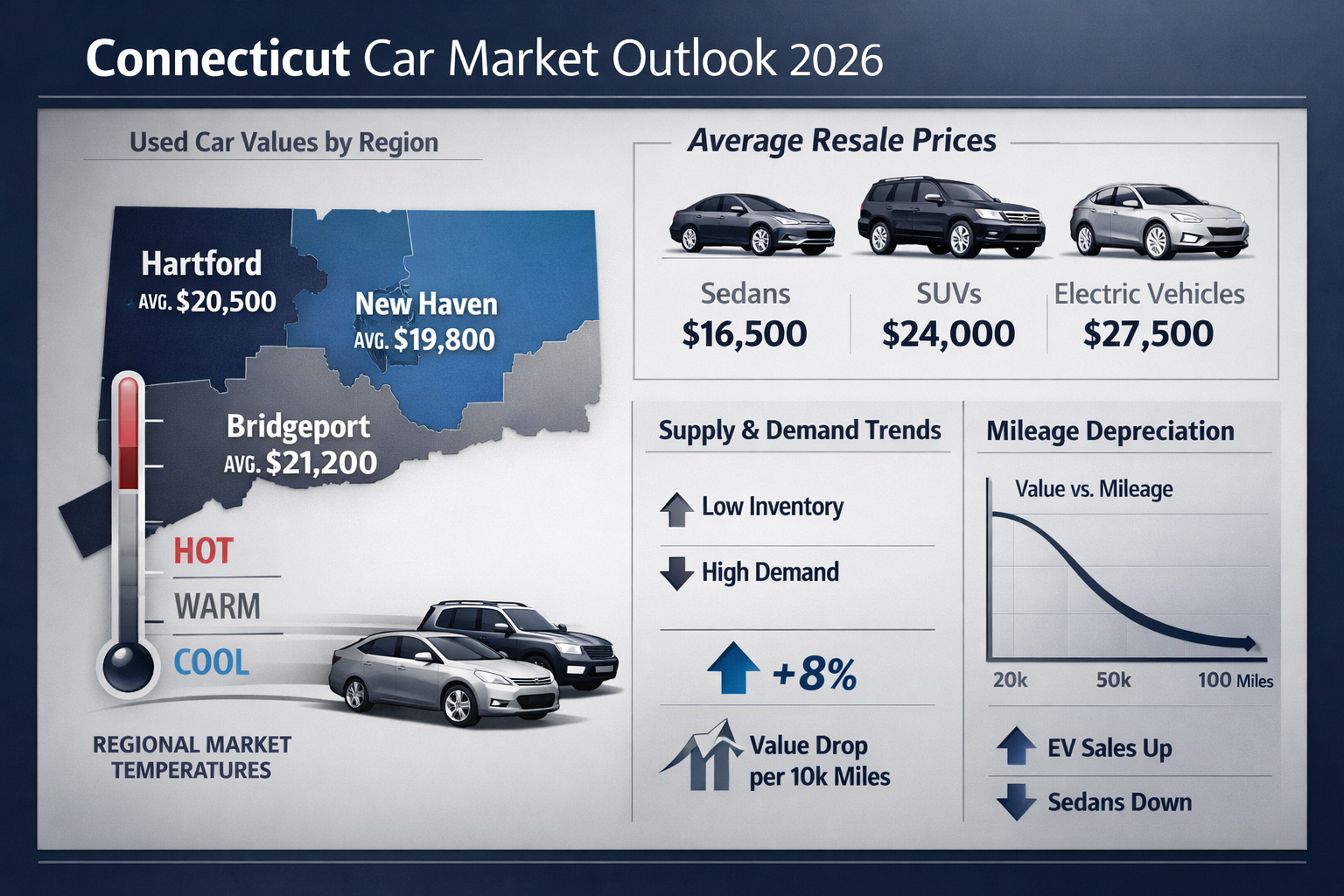
The Connecticut automotive market has unique characteristics that directly impact how quickly you can sell my car and what price you’ll receive. Our state’s seasonal weather patterns, proximity to major metropolitan areas like Hartford and Springfield, and specific vehicle preferences all play crucial roles.
What Makes Connecticut Different?
Connecticut buyers highly value all-wheel drive vehicles due to our snowy winters. If you’re selling an SUV or AWD sedan, you’re in luck—these vehicles consistently command premium prices, especially when listed between October and January[1]. Conversely, convertibles and rear-wheel-drive sports cars may sit longer unless priced competitively.
The average vehicle age in Connecticut is approximately 12.5 years, slightly above the national average[2]. This means well-maintained older vehicles still have strong market demand, particularly in suburban communities like Somers, Suffield, and Broad Brook where families often seek reliable second cars.
Local Market Hotspots Within 30 Miles of Enfield
Understanding your local market gives you a competitive edge:
- Enfield (06082): Strong demand for family sedans and SUVs, with buyers seeking reliable commuter vehicles
- Windsor Locks: Proximity to Bradley International Airport creates demand for economical, high-mileage vehicles
- East Windsor: Growing families drive SUV and minivan demand
- Suffield: Affluent area with interest in luxury vehicles and well-maintained imports
- Somers: Rural character increases pickup truck and AWD vehicle values
- South Windsor: Tech-savvy buyers comfortable with online car selling platforms
- Manchester: Diverse market accepting various vehicle types and price points
- Vernon: Strong used car market with active private buyers
How to Sell My Car Online: The Modern Approach
The digital revolution has transformed car selling. Gone are the days of newspaper classifieds and dealership-only options. In 2026, online car selling platforms dominate the market, offering convenience, speed, and often better prices than traditional methods.
The Instant Online Valuation Process
Modern car buying services use sophisticated algorithms that analyze thousands of data points to provide accurate valuations. Here’s what they consider:
Vehicle-Specific Factors:
- Make, model, year, and trim level
- Actual mileage vs. expected mileage for age
- Accident history and title status
- Service records and maintenance history
- Optional features and packages
Market Conditions:
- Current demand in your specific Connecticut region
- Seasonal trends affecting your vehicle type
- Comparable sales in the past 30-60 days
- Wholesale auction prices
- Retail market pricing trends
I remember when my neighbor Sarah in Enfield tried to sell her car last fall. She used three different online platforms and was amazed to receive valuations within $500 of each other—all within 15 minutes. The transparency gave her confidence she was getting a fair deal.
Step-by-Step: Getting Your Instant Cash Offer
- Visit a reputable online car buying platform (many serve Connecticut specifically)
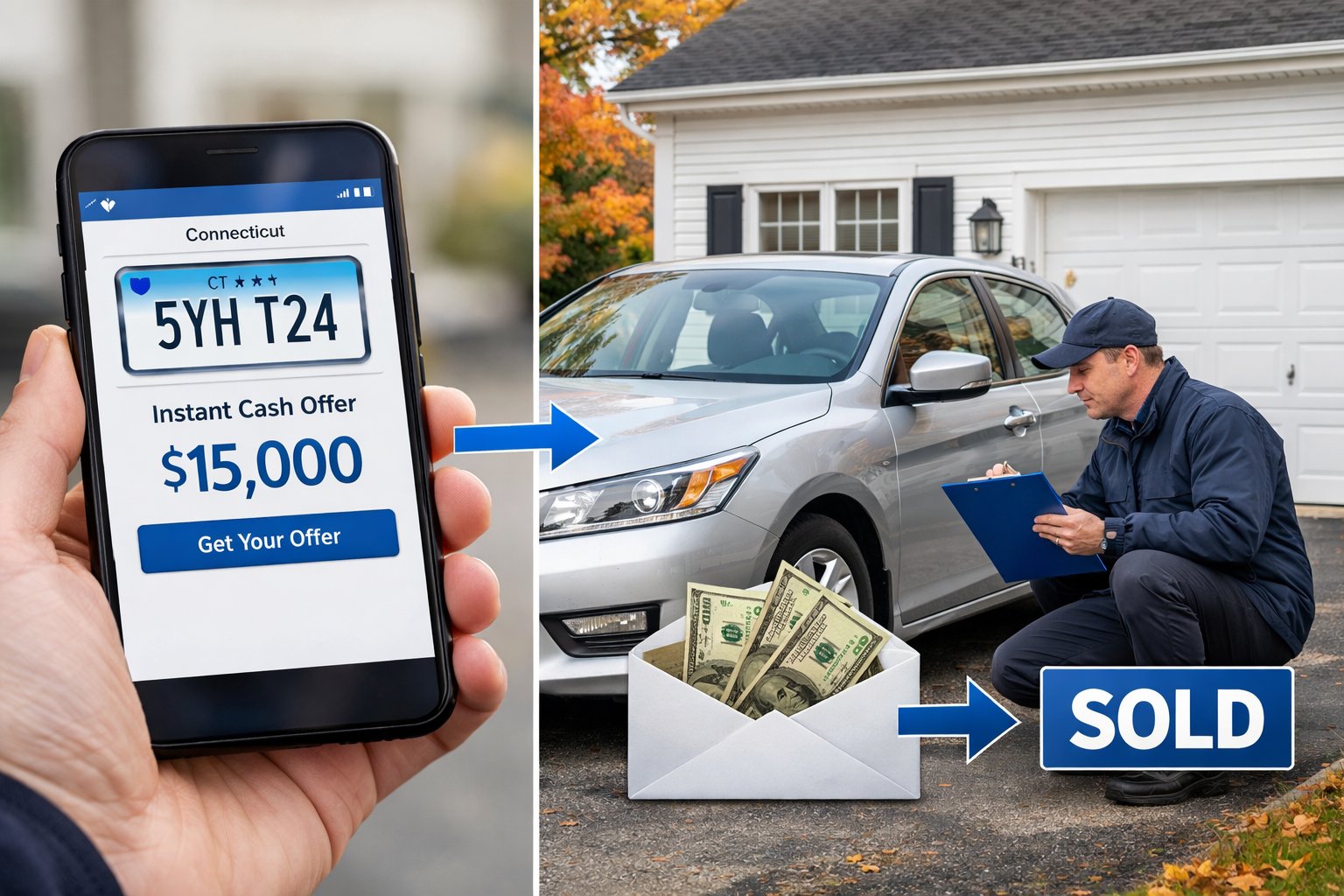
- Enter your VIN or license plate number for automatic vehicle identification
- Answer condition questions honestly (scratches, dents, mechanical issues)
- Upload 6-10 clear photos showing all angles, interior, and any damage
- Receive your instant vehicle quote typically within 2-5 minutes
- Schedule a free inspection at your home or a convenient location
- Get final offer after physical inspection (usually matches or exceeds online quote)
- Accept and receive payment via check, direct deposit, or cash
Why Online Beats Traditional Methods
| Method | Time to Sell | Effort Required | Price Potential | Safety/Security |
|---|---|---|---|---|
| Online Car Buyers | 24-48 hours | Minimal | Good | Excellent |
| Private Sale | 2-8 weeks | High | Highest | Moderate |
| Dealership Trade-in | Same day | Low | Lowest | Excellent |
| Consignment | 4-12 weeks | Moderate | High | Good |
The no-hassle car sale approach resonates with busy Connecticut residents. Between work, family, and our infamous traffic on I-91, who has time for endless test drives and negotiations?
Preparing Your Vehicle for Maximum Value
Whether you choose to sell car fast through an online service or pursue a private sale, preparation significantly impacts your final price. Think of it as staging a house—presentation matters enormously.
The Deep Clean That Pays Dividends
Professional detailing costs $150-300 in the Enfield area but can increase your sale price by $500-1,000[3]. Focus on:
Exterior:
- Hand wash and clay bar treatment to remove contaminants
- Paint correction for minor scratches
- Headlight restoration (yellowed headlights scream “old car”)
- Tire shine and wheel cleaning
- Touch-up paint for small chips
Interior:
- Deep vacuum including under seats and in crevices
- Leather conditioning or fabric shampooing
- Dashboard and console detailing
- Window cleaning (inside and out)
- Odor elimination (especially important for smokers or pet owners)
Pro Tip: 💡 That mysterious check engine light? Get it diagnosed and fixed before listing. A $100 sensor replacement is better than losing $1,000 in negotiating power.
Documentation That Builds Buyer Confidence
Connecticut buyers want reassurance they’re making a smart purchase. Gather these materials:
Essential Documents:
- ✅ Connecticut Certificate of Title (properly signed)
- ✅ Current registration
- ✅ Emissions test results (if applicable to your area)
- ✅ Maintenance records and receipts
- ✅ Owner’s manual and spare keys
- ✅ Warranty information (if transferable)
Bonus Materials That Increase Value:
- Service records from reputable Connecticut shops
- Receipts for major repairs or replacements
- CarFax or AutoCheck vehicle history report
- Original window sticker (if available)
- Records of aftermarket additions
I learned this lesson the hard way. When I tried to sell my car in 2024, I couldn’t find any service records. The buyer knocked $800 off my asking price, citing “unknown maintenance history.” Now I keep everything in a dedicated folder.
Minor Repairs Worth Making
Not all repairs provide positive ROI, but these typically do:
High-Return Fixes:
- Replacing worn wiper blades ($20, looks like you care)
- Fixing minor dents and dings ($75-200 per panel)
- Replacing cracked or damaged lights ($50-150)
- Addressing fluid leaks ($100-500 depending on source)
- Fixing non-functional features (windows, locks, radio)
Skip These Unless Necessary:
- Major engine work (cost rarely recovered)
- Transmission repairs (disclose and price accordingly)
- Cosmetic upgrades (new wheels, stereo systems)
- Paint jobs (unless covering accident damage)
Connecticut-Specific Legal Requirements and Tax Implications
Selling a vehicle in Connecticut involves specific legal steps that differ from other states. Getting these right protects you from future liability and ensures a smooth transaction.
Title Transfer and Registration
Connecticut requires proper title transfer within 14 days of sale[4]. Here’s the process:
Seller Responsibilities:
- Complete the title assignment section on the back of your Connecticut title
- Include the sale date, odometer reading, and sale price
- Sign and print your name exactly as it appears on the title front
- Remove your license plates (they stay with you, not the car)
- Provide a bill of sale with vehicle details and sale price
- Cancel your insurance after confirming buyer has coverage
Important: ⚠️ Never sign a blank title or leave the buyer section empty. This creates a “title skip” that can make you liable for tickets, accidents, or crimes committed with your former vehicle.
Sales Tax Considerations for Connecticut Sellers
Here’s where it gets interesting for your wallet. When you sell your car in Connecticut:
Private Sales:
- You don’t collect or pay sales tax as the seller
- The buyer pays 6.35% sales tax when registering the vehicle[5]
- Sale price reported to DMV must match your bill of sale
Tax Deduction Opportunities:
- If you sell at a loss, you generally cannot deduct the difference
- If selling a business vehicle, consult a tax professional about depreciation recapture
- Charitable donations offer different tax benefits than sales
Capital Gains Considerations:
Most personal vehicle sales don’t trigger capital gains tax because cars depreciate. However, if you sell a classic or collector car for more than you paid, you may owe tax on the profit. Consult a Connecticut tax advisor for vehicles sold above $10,000 profit.
Emissions Testing Requirements
Connecticut’s emissions testing program applies to specific areas and vehicle types:
Testing Required For:
- Vehicles registered in Fairfield, Hartford, Middlesex, New Haven, New London, Litchfield (partial), Tolland (partial), and Windham (partial) counties
- Vehicles model year 1996 and newer
- Gasoline-powered vehicles (diesel exempt)
Good News for Sellers in Enfield: Hartford County requires emissions testing, so having a current passing certificate adds value and speeds the sale process. Tests cost approximately $20 and are valid for two years[6].
Liability Protection After the Sale
Protect yourself from post-sale issues:
- File a Notice of Sale with Connecticut DMV within 10 days (available online)
- Keep copies of the signed title, bill of sale, and odometer disclosure
- Photograph the vehicle after the buyer takes possession
- Document the transaction including buyer’s name, address, and driver’s license number
- Cancel insurance only after confirming the sale is complete
Comparing Your Selling Options: Which Path Is Right for You?
Not everyone’s situation is identical. Your timeline, vehicle condition, and personal preferences should guide your selling strategy.
Online Car Buying Services: Speed and Convenience
Best For: Anyone who values time over maximum profit, vehicles in average to good condition, sellers who dislike negotiation

Advantages:
- ⚡ Lightning-fast process: Get cash for cars in 24-48 hours
- 🚗 Free vehicle pickup: They come to you in Enfield or surrounding areas
- 💰 Guaranteed payment: No bounced checks or scams
- 📋 Minimal paperwork: They handle most documentation
- 🔒 Safe and secure: No strangers at your home for test drives
Top Services Operating in Connecticut:

“I was skeptical about online car buyers until I tried it. They gave me a fair instant car offer, picked up my Honda from my driveway in Windsor Locks, and had money in my account the next day. No hassle, no games.” – Michael T., Windsor Locks
Private Sale: Maximum Profit, Maximum Effort
Best For: Sellers with time and patience, vehicles in excellent condition, those comfortable with negotiation
Advantages:
- 💵 Highest potential sale price (10-20% above trade-in)
- 🤝 Direct buyer interaction and negotiation
- 📸 Control over marketing and presentation
- ⏰ Flexibility in timing and terms
Disadvantages:
- Time-consuming (listing, calls, showings, negotiations)
- Safety concerns (strangers, test drives, scams)
- Payment risks (bad checks, fraud)
- Requires marketing skills and vehicle knowledge
Where to List in Connecticut:
- Facebook Marketplace (most active in 2026)
- Craigslist Hartford section
- Local Connecticut car selling groups
- Next-door neighborhood networks
- Traditional classifieds (CT Post, Hartford Courant)
Dealership Trade-In: Convenience Meets Lower Value
Best For: Buyers purchasing another vehicle, those prioritizing simplicity, vehicles with issues
Advantages:
- 🔄 Seamless transition to new vehicle
- 💳 Potential sales tax savings (Connecticut allows trade-in credit)
- 🚫 No marketing or negotiating with strangers
- ⚖️ Immediate resolution
Disadvantages:
- Lowest price option (20-30% below private sale value)
- Less transparency in valuation
- Pressure to purchase from that dealership
- Limited negotiating power
Connecticut Tax Benefit Example:
If you trade in a car worth $10,000 toward a $30,000 purchase, you only pay sales tax on $20,000, saving approximately $635 in Connecticut sales tax.
The Environmental Impact: Responsible Car Selling
Connecticut residents increasingly care about environmental responsibility. How you sell your car can significantly impact your carbon footprint and contribute to sustainable practices.
Car Recycling and End-of-Life Vehicles
If your vehicle has reached the end of its useful life, responsible disposal matters:
Connecticut Auto Recycling Facts:
- Approximately 95% of a vehicle can be recycled[7]
- Proper recycling prevents toxic fluids from contaminating soil and water
- Steel from recycled cars reduces mining and manufacturing emissions
- Connecticut requires proper disposal of hazardous materials
Reputable Connecticut Auto Recyclers:
Look for facilities certified by the Automotive Recyclers Association (ARA) and compliant with Connecticut environmental regulations. Many offer cash for cars even in non-running condition, with free towing throughout the Enfield area.
Carbon Footprint Considerations
Selling your functional vehicle to someone who needs it extends its useful life and prevents the environmental cost of manufacturing a new vehicle. The production of a new car generates approximately 17 tons of CO2 emissions[8]—keeping existing vehicles on the road through resale significantly reduces overall environmental impact.
Eco-Friendly Selling Practices:
- Choose buyers committed to continued use (not immediate scrapping)
- Ensure all fluids are properly maintained (prevents leaks during transport)
- Remove and properly dispose of any hazardous materials
- Consider donating high-mileage vehicles to vocational programs
Avoiding Scams and Protecting Yourself
The convenience of modern car selling unfortunately attracts scammers. Protect yourself with these Connecticut-specific precautions.
Common Scams Targeting Connecticut Sellers
The Overpayment Scam:
Buyer sends a check for more than the agreed price, asks you to wire back the difference. The check bounces, you lose your car and the “refunded” money.
The Fake Escrow Service:
Scammer creates a legitimate-looking escrow website, you send the title, they disappear without paying.
The Test Drive Theft:
“Buyer” takes your car for a test drive and never returns. Particularly common with high-value vehicles.
The Title Washing Scheme:
Buyer purchases your salvage or flood-damaged vehicle, obtains a clean title in another state, then resells at inflated prices.
Safety Best Practices
For Private Sales:
- ✅ Meet in public locations (police station parking lots are ideal)
- ✅ Bring a friend to showings and test drives
- ✅ Keep the keys until payment clears
- ✅ Accept only cashier’s checks, money orders, or cash
- ✅ Verify payment before signing over the title
- ✅ Complete transactions during daylight hours
For Online Services:
- ✅ Research company reputation and reviews
- ✅ Verify they’re licensed to operate in Connecticut
- ✅ Read all terms and conditions carefully
- ✅ Get offers in writing before inspection
- ✅ Understand the final offer may differ after inspection
Red Flags to Watch:
- 🚩 Buyers who won’t meet in person
- 🚩 Requests to ship the vehicle before payment clears
- 🚩 Offers significantly above market value
- 🚩 Pressure to act immediately
- 🚩 Requests for unusual payment methods (wire transfers, gift cards, cryptocurrency)
Timing Your Sale for Maximum Value
When you sell car fast matters almost as much as how you sell it. Connecticut’s seasonal patterns create predictable pricing fluctuations.
Best Times to Sell in Connecticut
Optimal Months:
October-December: 🍂
- SUVs and AWD vehicles command premium prices
- Buyers preparing for winter weather
- Year-end bonus money enters the market
- Tax refund anticipation creates urgency
April-June: 🌸
- Convertibles and sports cars peak in value
- Tax refund money available
- Graduation and summer travel drive purchases
- Pleasant weather encourages car shopping
Months to Avoid:
January-February: ❄️
- Post-holiday budget constraints
- Harsh weather limits shopping
- Lowest buyer activity of the year
July-August: ☀️
- Vacation season reduces serious buyers
- Back-to-school expenses compete for funds
Day of the Week Matters
Research shows online car appraisal requests peak on weekends, but serious buyers make decisions mid-week[9]. List your vehicle on Thursday or Friday to capture weekend browsers who’ll contact you Monday or Tuesday.
The Emotional Side: Letting Go of Your Vehicle

This might seem out of place in a practical guide, but selling a car often involves genuine emotional complexity. I’ve seen grown adults tear up handing over keys to the car that brought their first child home from the hospital.
Honoring Your Vehicle’s Story
Your car has been more than transportation—it’s been part of your life story. Those coffee stains, that scratch from the grocery cart, the wear pattern on the driver’s seat—they’re memories.
Healthy Ways to Process:
- 📸 Take photos before the sale (you’ll appreciate them later)
- 🧹 Clean it one last time as a ritual of closure
- 📝 Write down favorite memories associated with the vehicle
- 🎁 If selling a family car, let kids say goodbye
- 🔄 Focus on the positive aspects of what comes next
My friend Jennifer in Somers kept her old Subaru for two years longer than practical because it was the car she and her late father had restored together. When she finally decided to sell my car, she found a young enthusiast who appreciated its history. Knowing it would be cherished helped her let go.
Making Peace with the Decision
Common Seller’s Remorse Triggers:
- Seeing your old car around town
- Experiencing buyer’s remorse about the replacement
- Nostalgia triggered by photos or memories
- Regret over the sale price
Prevention Strategies:
- Make the decision deliberately, not impulsively
- Research thoroughly so you’re confident in your choice
- Focus on your reasons for selling
- Remind yourself that cars are tools, not relationships
- Celebrate the next chapter
Frequently Asked Questions
How quickly can I sell my car in Connecticut?
With online car buying services, you can complete the sale in 24-48 hours. Private sales typically take 2-8 weeks depending on your vehicle’s desirability, price, and marketing efforts. Dealership trade-ins happen immediately when purchasing another vehicle.
What documents do I need to sell my car in Connecticut?
You need your Connecticut Certificate of Title, current registration, valid ID, and if applicable, emissions test results. Having maintenance records and a vehicle history report strengthens buyer confidence but isn’t legally required.
Do I need to provide an emissions test to sell my car?
If your vehicle is registered in an emissions testing area (including Enfield and most of Hartford County) and is model year 1996 or newer, having a current passing emissions certificate facilitates the sale. The buyer will need it for registration, so providing one eliminates a hurdle.
Can I sell a car with a loan on it in Connecticut?
Yes, but you must pay off the loan and obtain the title before transferring ownership. Many online car buyers will handle payoff directly with your lender, paying you the difference. Alternatively, the buyer can pay your lender directly if you coordinate the transaction carefully.
What’s the best way to determine my car’s value?
Use multiple sources: online valuation tools (KBB, Edmunds, NADA), recent sales of comparable vehicles in Connecticut, and instant car offer platforms. Average these values, then adjust for your vehicle’s specific condition and local market factors.
Should I sell privately or use an online car buying service?
Choose private sale if you have time, your vehicle is in excellent condition, and you’re comfortable with negotiation and marketing. Choose an online service if you prioritize speed, convenience, and guaranteed payment over maximum profit. The price difference is typically 5-15%.
How do I transfer ownership in Connecticut?
Complete the assignment section on the back of your title, include the odometer reading and sale date, sign it, and provide it to the buyer along with a bill of sale. Remove your plates, notify the DMV of the sale, and cancel insurance after confirming the buyer has coverage.
What should I do if a buyer wants to test drive my car?
For private sales, verify the person has a valid driver’s license, accompany them on the test drive, choose a safe route, and keep the keys until payment clears. For online services, the professional inspector will evaluate the vehicle without a traditional test drive.
Conclusion: Your Next Steps to Selling Success
Selling your car in Connecticut doesn’t have to be complicated, stressful, or time-consuming. Whether you’re in Enfield, exploring options in nearby Windsor Locks, or anywhere within the Greater Hartford area, you now have a comprehensive roadmap to success.
Your Action Plan:
- Determine your timeline and priorities (speed vs. maximum value)
- Get multiple valuations using online tools and instant vehicle quote services
- Prepare your vehicle with cleaning, minor repairs, and documentation
- Choose your selling method based on your specific situation
- Execute with confidence knowing you’ve done your homework
- Complete the legal requirements properly to protect yourself
Remember, the “best” way to sell your car is the method that aligns with your unique circumstances. A busy parent in South Windsor with three kids and a full-time job has different needs than a retired enthusiast in Suffield with time to maximize value through private sale.
The Connecticut car market in 2026 offers unprecedented options, transparency, and convenience. Whether you choose the no-hassle car sale approach of online buyers, the profit potential of private sales, or the simplicity of dealership trade-ins, you’re empowered with knowledge to make the right decision.
Ready to get started? The first step is always the same: get your instant car offer from multiple sources to establish your vehicle’s baseline value. From there, you’ll make informed decisions that put more money in your pocket while eliminating stress from the process.
Your car has served you well. Now it’s time to find it a new home while getting fair value for yourself. You’ve got this! 🚗💰
References
[1] Connecticut Automotive Retailers Association. (2025). “Seasonal Vehicle Demand Trends in New England Markets.”
[2] U.S. Department of Transportation. (2025). “Average Vehicle Age by State: 2025 Analysis.”
[3] International Carwash Association. (2026). “ROI of Professional Detailing for Vehicle Resale.”
[4] Connecticut Department of Motor Vehicles. (2026). “Title Transfer Requirements and Procedures.”
[5] Connecticut Department of Revenue Services. (2026). “Motor Vehicle Sales and Use Tax Guide.”
[6] Connecticut Department of Motor Vehicles. (2026). “Emissions Testing Program Requirements.”
[7] Automotive Recyclers Association. (2025). “Environmental Impact of Vehicle Recycling.”
[8] Environmental Protection Agency. (2025). “Carbon Footprint of Vehicle Manufacturing.”
[9] AutoTrader Market Research. (2025). “Consumer Car Shopping Behavior Patterns.”